
- Total price
€150.00
4 sessions
- Schedule
Every Monday
Nov 2 – Nov 23
- Time
19:00–20:30
- Class size
Min 5 · Max 15
The heart of the course is Imbolo Mbue's How Beautiful We Were (2021). A Cameroonian-American, Mbue writes from exactly this intersection of continent and diaspora — her novel follows a fictional African village whose land and people are devastated by an American oil company. Alongside this close reading, we will explore extracts from the ecocritical and ecofeminist writing emerging from the Niger Delta — the real landscape that partly inspired Mbue — where writers and activists have been documenting and resisting oil extraction for decades. Together, these texts invite us to ask what literature can do that journalism and policy cannot: bear witness, build community, and imagine otherwise.
*Students will receive a free copy of the novel. Other readings will be provided by the professor.*
Nov. 2: Women Writers & African Feminisms
Using Margaret Busby's landmark anthologies Daughters of Africa and New Daughters of Africa as our map, we trace the history of African and diasporic women's writing and ask some deceptively simple questions: is there a universal definition of feminism, women, or gender? From Chimamanda Ngozi Adichie to Beyoncé, from scholars to activist editors, we explore the rich and contested landscape of African and Black feminist thought.
Nov. 9: The "Eco" in Ecofeminism
What does "eco" actually mean — and who gets to define it? This session introduces ecofeminist theory from the French origin of its name through African voices and initiatives, including the pan-African alliance WoMin and writers like Djaili Amadou Amal, who bring ecofeminist politics into literature. We ask how the domination of land and the domination of women have historically gone hand in hand, and what resistance looks like today.
Nov. 16: Reading How Beautiful We Were
We read together from Mbue's novel, exploring its narrative voices and its portrait of corporate oil extraction. Through close reading and discussion, we uncover the real-world references woven into the fiction — from Standing Rock to the Niger Delta — and ask what literature can do that journalism cannot.
Nov. 23: The Niger Delta and Beyond
We continue our close reading of the novel while zooming out to the broader ecocritical and ecofeminist movement it emerges from — Ken Saro-Wiwa's legacy, pan-African activist alliances, and the writers documenting resistance to extraction across the continent. We end by asking what these voices mean for us today, wherever we are reading from.
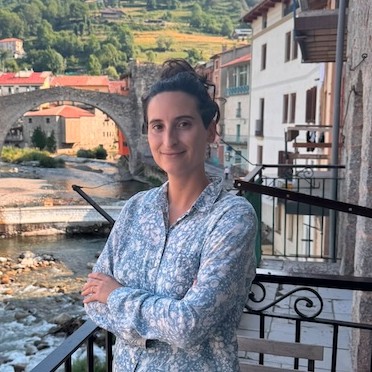
About Camille Lavoix
At the University of Würzburg, she taught courses on African literature, ecofeminism and environmental humanities, bringing together literary close reading and contemporary political debates. She has also worked as a journalist for Le Monde, El País, Arte, The Guardian and the BBC, and has published several books in French, including poetry, non-fiction and a children's book.