
- Total price
€175.00
5 sessions
- Schedule
Every Tuesday
Sep 29 – Oct 27
- Time
18:00–19:30
- Class size
Min 6 · Max 10
When The Great Gatsby was first published in April 1925, it was a commercial and critical failure. Fitzgerald's contemporaries — T.S. Eliot, Edith Wharton, Gertrude Stein — wrote to him in admiration, but the wider public was unmoved. The novel had sold only 25,000 copies by the time of Fitzgerald's death fifteen years later, aged 44, his heart giving out after years of heavy drinking.
The novel's resurrection came from an unlikely source. During the Second World War, the Council on Books in Wartime distributed over 150,000 Armed Services Editions to soldiers — and Gatsby found its audience among American troops overseas. Then, in 1945, the critic Lionel Trilling declared Jay Gatsby a symbol of the American Dream itself, an act of critical elevation that lifted the novel into the North American literary canon, where it has remained ever since, its status as a 'classic' further cemented by adoption into high school and college curricula in the 1950s and 60s.
What a difference 100 years can make. The Great Gatsby has now sold an estimated 30 million copies worldwide, spawned four feature films, and — in the last two years alone — inspired two major Broadway and West End musical productions. 'The Jazz Age', a term Fitzgerald himself coined, has passed permanently into the global imagination.
And yet this novel set in the aftermath of the First World War — that brief, feverish interval of new money, loose morals, and borrowed time — feels less like history and more like a mirror. Jay Gatsby is one of literature's great early architects of the curated public image: a man who reinvented himself from scratch, surrounded that invention with spectacle, and bet everything on a single, doomed idea of who he needed to be. He's an uncannily familiar figure in our current era of personal branding and influencer culture, with its promise of reinvention and wish fulfillment.
September 29, pp. 5-37: Chapters 1 & 2
October 6, pp. 38-74: Chapters 3 & 4
October 13, pp. 75-103 : Chapters 5 & 6
October 20, pp. 104-134: Chapter 7
October 27, pp. 135-166: Chapters 8 & 9
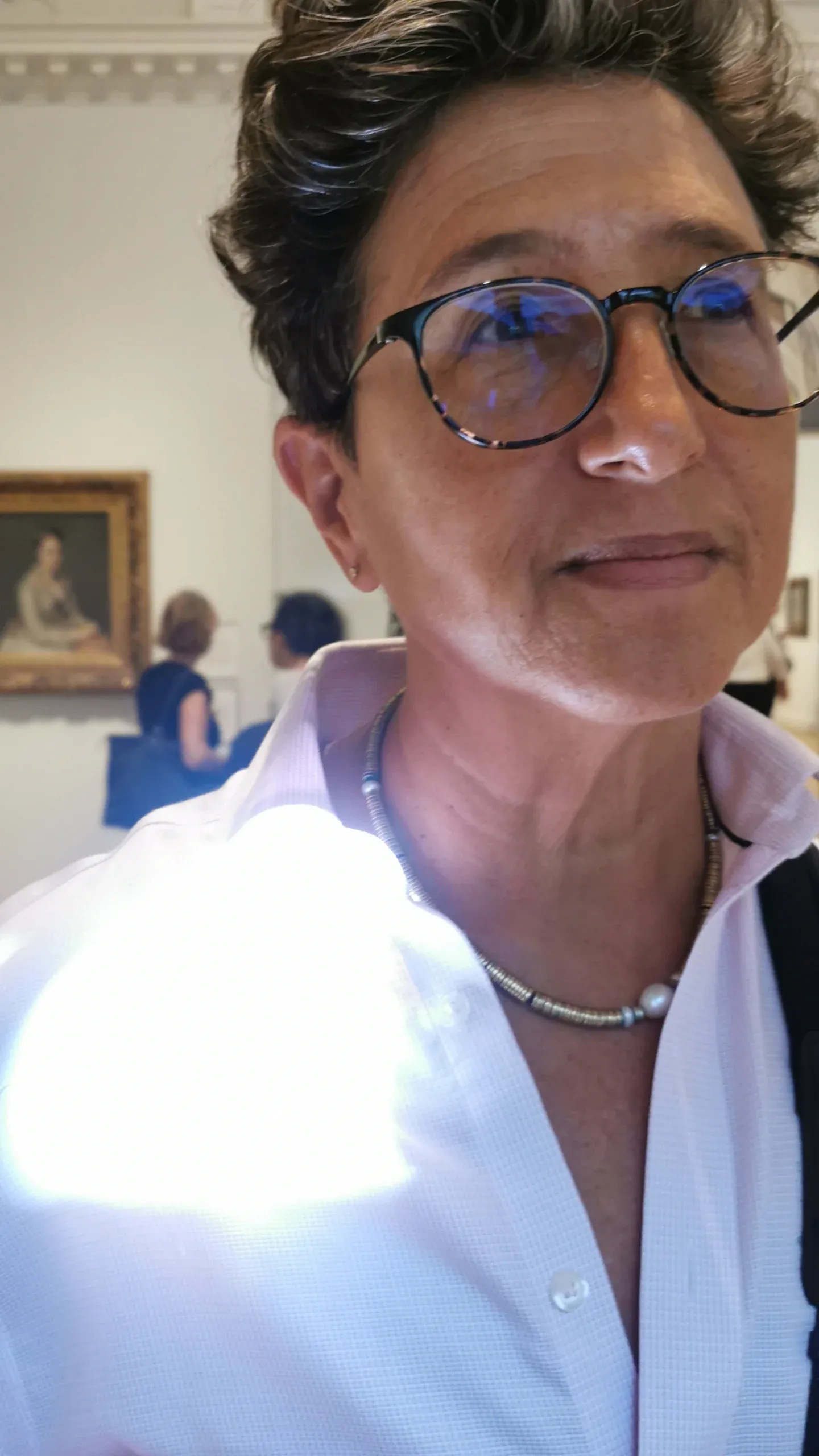
About Nancy Goldstein
Nancy taught literature at Harvard and MIT before leaving academia for Wall Street, then Brooklyn for Barcelona. She holds a PhD in English Literature with a focus on the Victorian era, and first caught the bug in poetry courses with Helen Vendler, the noted Harvard critic.
She leads literary discussion groups in London for adult readers, guiding close, peer-level conversation rather than lecturing at them. Recent participants have called her “a superlative leader” and her teaching “not only great — it was a gift.”
She's lived in L’Eixample since 2022 and sings in the 240-person Barcelona English Choir — its only woman bass.